Secure Packaging Solutions for Safe Transportation
Businesses looking for reliable packaging often turn to a Custom Crating Service in Charlotte to protect valuable or fragile items during shipping. Custom crating ensures that goods reach their destination safely, regardless of size, weight, or complexity.
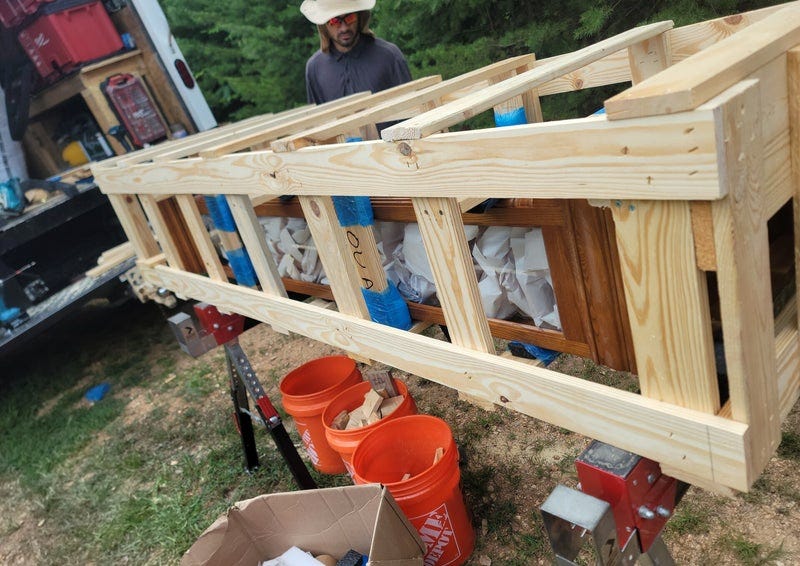
Custom Crating Explained?
A crate made just right begins with careful measurements, shaped around what needs safekeeping. Wood bends to fit odd corners when standard boxes fail. Each piece cuts different, built only once. Protection comes from snug walls that hold firm during travel. Size changes every time, never repeated twice the same.
Key Features
- Custom-fit designs
- Durable materials
- Shock and vibration protection
- Weather-resistant options
Fragile items fit well inside these containers. Worthwhile cargo stays secure when moved using them. Extra padding often gets added when needed, giving items another layer of safety. Proper sealing also helps keep dust and moisture away during long journeys.
Industries Using Custom Crates
Many industries rely on custom crating for safe logistics.
Common Industries
- Manufacturing
- Electronics
- Medical equipment
- Aerospace
- Art and antiques
Fresh off the drawing board, every field needs something different — custom crating steps in to meet those exact demands. Boxes shaped by purpose, built not guessed. This flexibility allows businesses to ship sensitive goods without fear, even when dealing with unusual shapes or high-value equipment.
Custom Crating Services Benefits
Using a professional service offers several advantages.
Top Benefits
- Maximum protection
- Less chance things will break
- Compliance with shipping standards
- Budget-friendly over time
- Customization for unique items
Few worries come up while things move from one place to another. Reduced damage means fewer replacements and smoother delivery experiences, helping businesses maintain trust with their customers.
Custom Crate Types
A crate meant for books won’t suit glassware. Each object brings its own needs. Wood might work here, while plastic fits there. Shape matters just as much as strength. One size never fits every situation.
Common Crate Types
- Open crates for large machinery
- Closed crates for full protection
- Foam-lined crates for fragile items
- Heavy-duty crates for industrial equipment
Folks who pick carefully tend to stay out of trouble. Safety leans heavily on that first choice. Choosing the right crate type ensures items remain stable, even when handling conditions are rough or unpredictable.
The Crating Process
When you see how it works, companies can get ready more effectively.
Steps Involved
- Item inspection and measurement
- Design and material selection
- Crate construction
- Packing and securing the item
- Final inspection
Fully protected, that’s how every item comes out after each step. Careful handling throughout the process reduces the chance of movement inside the crate, which is often the main cause of damage.
Things To Think About Before Picking A Service
Picking a good provider matters more than most think. What you choose shapes how things turn out later on.
Important Factors
- Experience and expertise
- Quality of materials
- Customization options
- Compliance with regulations
- Customer reviews
Folks who ship things right keep them out of trouble along the way. Reliable providers also guide customers through the process, making sure every requirement is met without confusion.
Export Shipping Compliance
International shipping requires adherence to regulations.
Key Compliance Standards
- ISPM-15 certification for wood packaging
- Proper labeling
- Documentation requirements
Fines might hit if rules aren’t followed. Delays could come up when steps get missed. Meeting these standards ensures smooth customs clearance and avoids unnecessary disruptions during transit.
Cost Considerations
What you pay hinges on a few different things.
What Influences Cost
- Size and weight of the item
- What kinds of stuff go into making it
- Complexity of design
- Shipping distance
Priced higher at first glance, custom crating actually avoids expensive harm later on. Investing in proper packaging often saves money by preventing losses and reducing insurance claims.
Custom Crating Has Value
Packaged right, goods stay safe — trust grows quiet behind every box. Protection travels hand in hand with how others see you.
Long-Term Advantages
- Fewer returns and damages
- Improved customer satisfaction
- Better brand reliability
- Secure transportation
Consistency in safe deliveries builds a strong reputation over time. Businesses that prioritize protection often stand out in competitive markets.
Final Thoughts
A custom-built crate wraps delicate belongings in strong defense. When moving across town or around the world, precision fit means less risk during transit. Arrivals stay whole when packaging follows shape, not guesswork. Careful planning, the right materials, and expert handling all come together to make custom creating a reliable solution for modern shipping needs gym equipment technician.
FAQs
1. What materials are used in custom crating?
A common mix includes wood along with foam that cushions. Protective layers finish the inside.
2. Is custom crating suitable for international shipping?
True — this holds particularly if compliance with ISPM-15 is confirmed.
3. How long does it take to build a custom crate?
A couple of days might pass, sometimes more if things get tricky.
Comments
Post a Comment